


A video message from your CEO lands in your inbox. The voice sounds right. The mannerisms look familiar. And yet something whispers: is this real?
That whisper is the sound of a foundational assumption cracking. For centuries, seeing meant believing. Your senses were the final court of appeal. That era is ending. When any voice can be cloned, any face rendered, any trusted figure conjured from nothing, your eyes and ears become unreliable witnesses.
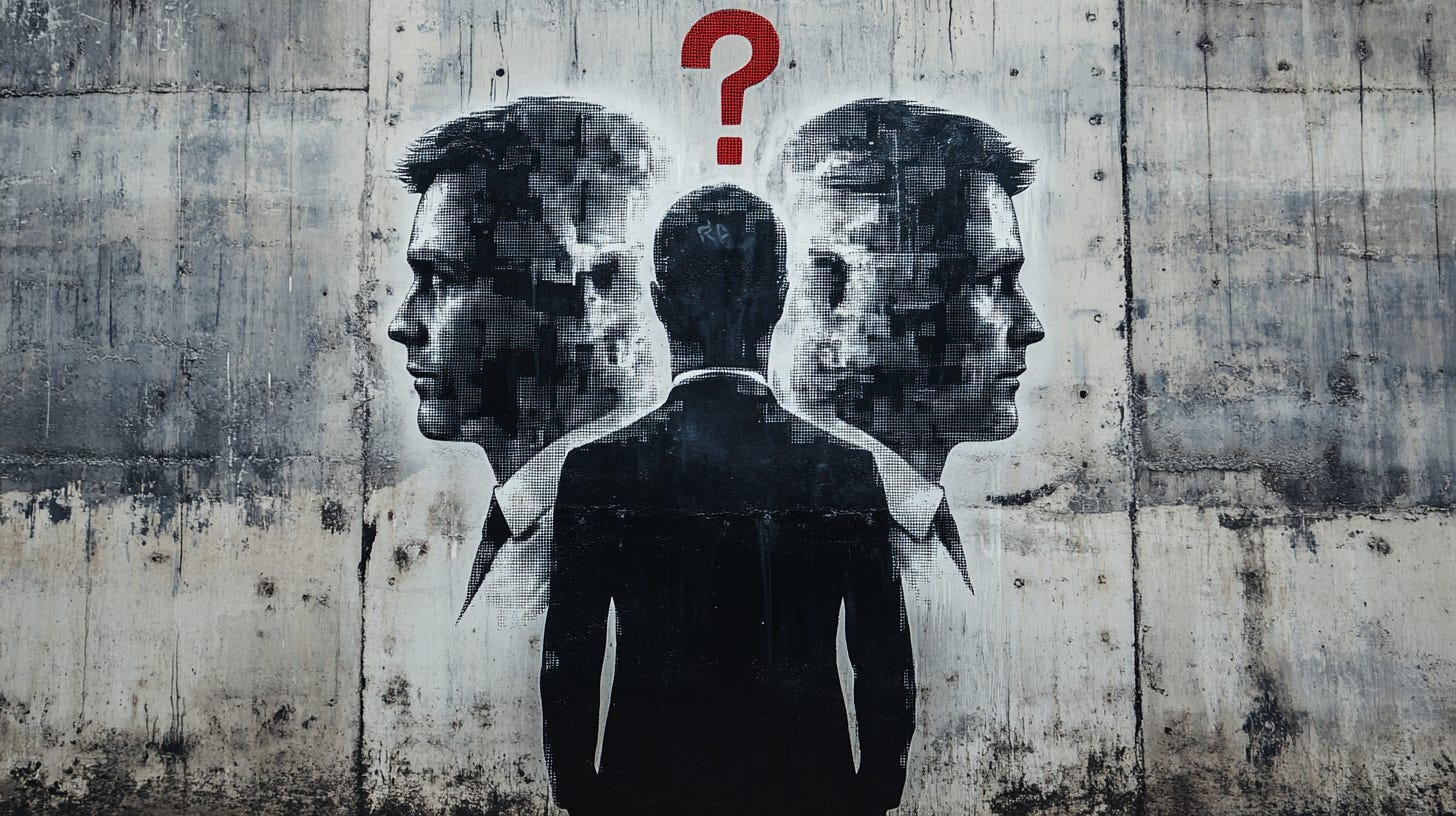
This isn’t just an organizational problem. It’s a personal one. The colleague asking for urgent credentials. The family member requesting an emergency transfer. The authority figure issuing instructions. Each interaction now carries a question mark that didn’t exist before. The psychological weight of perpetual verification is real—and most of us aren’t prepared for it.
“Think before you trust” sounds like common sense. It’s actually a radical rewiring of instincts we’ve relied on since childhood. It means treating doubt as a discipline, not a dysfunction. It means accepting that the person you’re seeing might not exist at all.
Here’s the uncomfortable truth: there’s no algorithm that will save you. Detection tools help. Watermarks help. But they’re buying time, not solving the problem. The real defense is human judgment—trained, practiced, treated as survival skill.
The question is no longer whether you can spot a fake. It’s darker than that:
Can you still trust yourself to know what’s real?
Read more:
