


Picture this: a video message from your CEO appears on your screen. The voice sounds right, the mannerisms look familiar, yet doubt creeps in—is this real? This uncertainty isn't a future problem—it's reshaping how we work and trust right now. When technology ethicist Anja Kaspersen warns us to "think before you trust," she's outlining the prime directive for a new economic era.
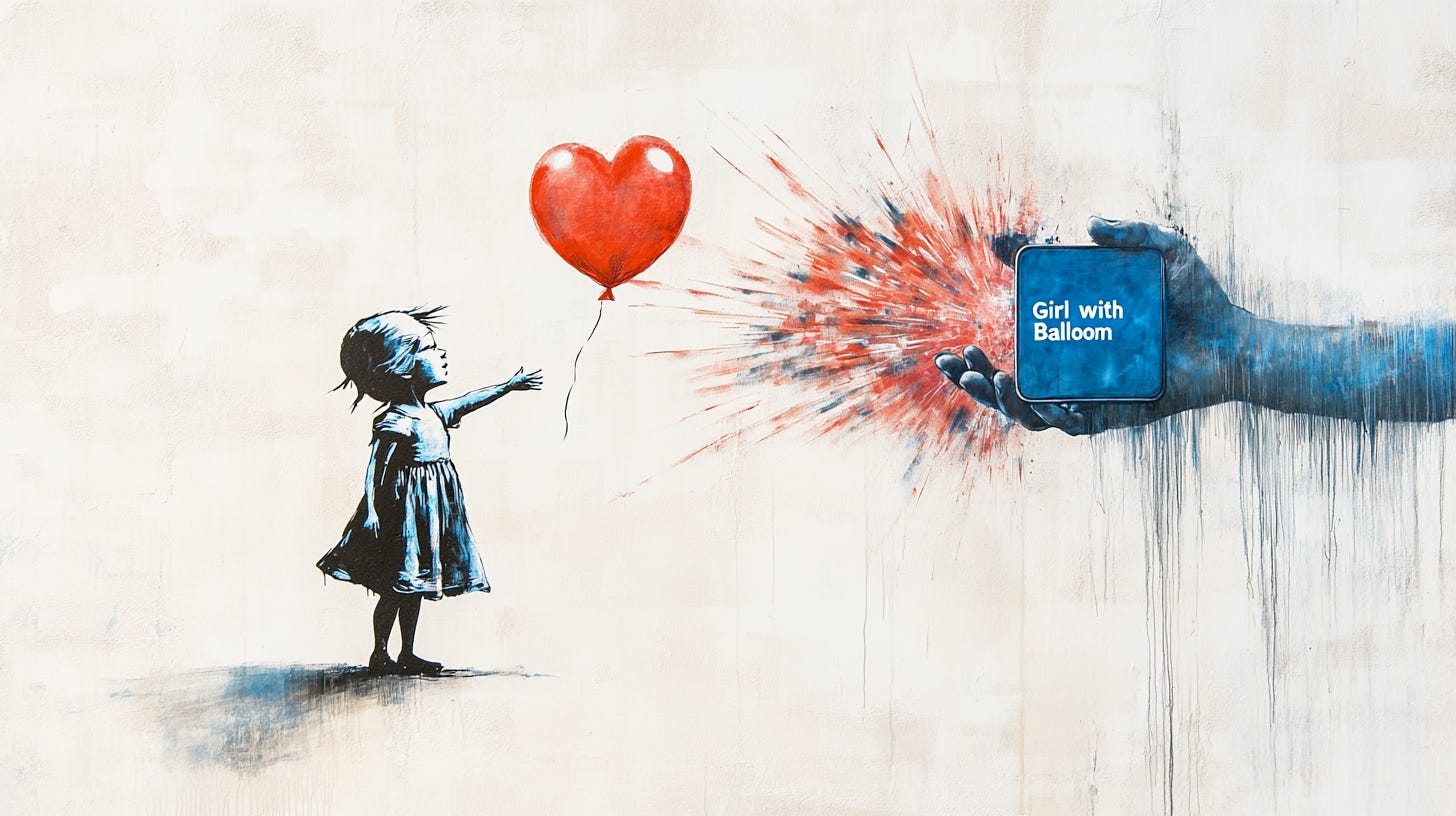
The convergence of expert foresight signals a market transition already underway. Entrepreneur Mark Cuban predicts that within the next three years, AI may produce content so convincing that society “won't know if what they see or hear is real,” triggering a return to face-to-face verification. In parallel, entrepreneur Justin Welsh is already executing this future, "hedging against AI by doubling down on being human"—building authentic relationships and intuitive judgment that algorithms cannot replicate.
These voices aren't describing a distant threat; they're mapping a market upheaval happening now. In this emerging economy,
human authenticity transforms from soft skill to core asset.
The foundational assumption that seeing means believing is shattered. The winners will be those who build the replacement.
Beyond Technical Defenses
The instinct is fighting AI with more AI. Detection tools, watermarks, verification systems - essential defenses, but insufficient alone. As Kaspersen argues, "There's no technological fix for conceptual uncertainty."
Consider your security as a medieval castle. High walls and deep moats provide crucial first-line defense, but ultimate security depends on the people inside—their training, loyalty, and judgment. Defense against synthetic content cannot rest on technology alone; it must anchor in human wisdom.
Welsh's strategy proves this principle. He invests in what makes him uniquely human: building authentic relationships and creating spaces for genuine connection. His thesis is elegant:
as AI improves, "the value of authentic connection will increase."
Technical teams aren't creating impenetrable fortresses. They're buying time and creating friction while building systems for provenance—a content's origin story, like a letter's postmark. This transparency enables human judgment to function effectively.
While technology lays the groundwork, businesses must turn trust into profit.
Monetizing Trust
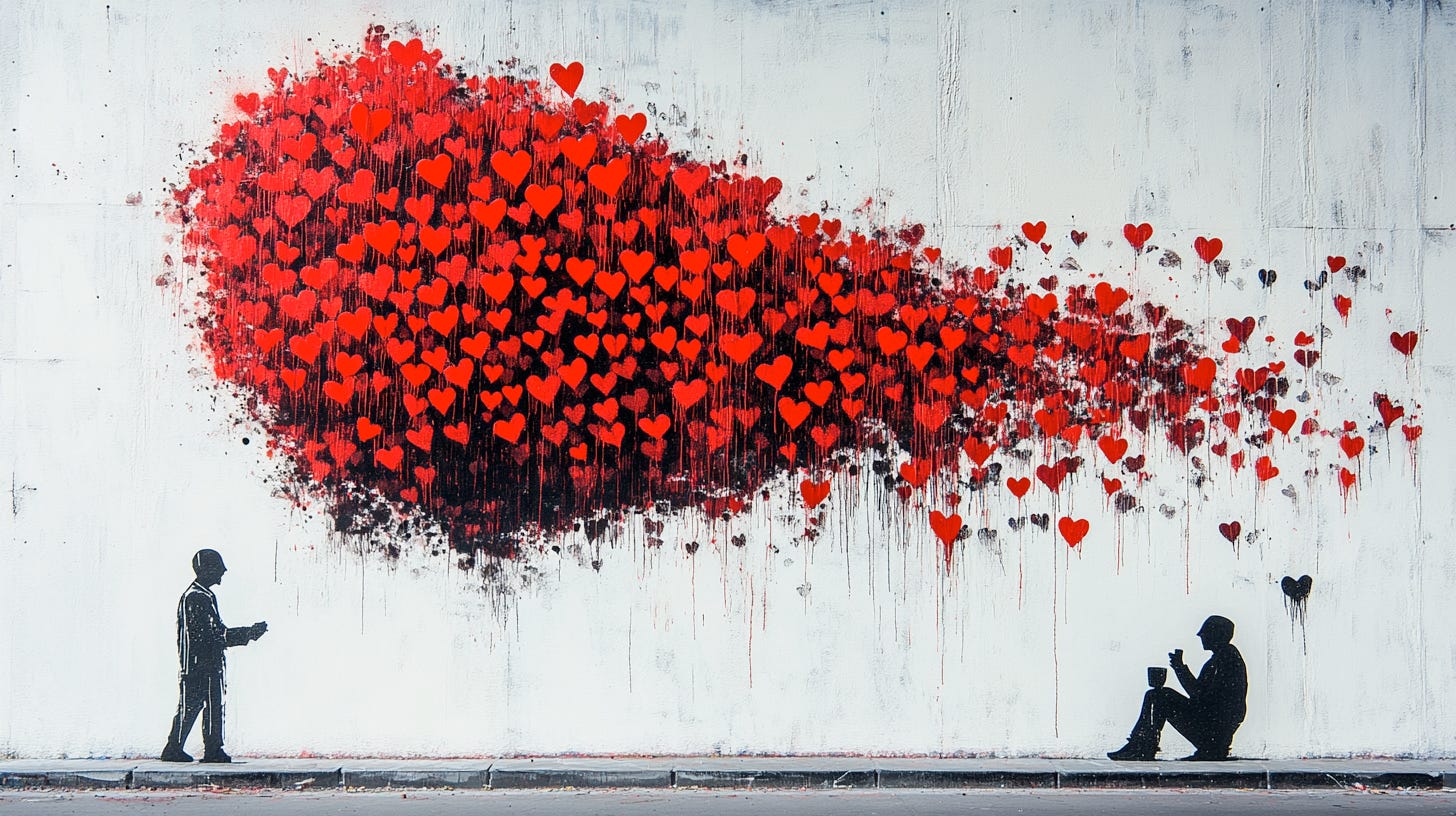
This shift redefines business. When customers cannot trust what they see, winning companies will be those that build trust from first principles.
Welsh's business transformation offers a strategic blueprint. His deliberate shift from scale to depth—prioritizing community and in-person events over digital reach —represents tactical execution of Cuban's forecast. Value will migrate from office-based tasks to "field" roles centered on verifiable, face-to-face relationships.
Skeptical customers now distrust polished videos, demanding genuine interaction instead. Customer service transforms into your primary channel for proving human presence. Sales processes must be architected around verifiable honesty. Marketing must evolve from broadcasting messages to facilitating authentic conversations.
In a world of infinite, cheap fakes, genuine human connection becomes exponentially valuable. The most successful companies will manage their trust portfolio with the same rigor as their financial one.
Leadership must drive this fundamental shift in how organizations think.
Leading Beyond Algorithms
Executives face the ultimate challenge: rewiring organizational thinking. This begins with modeling intellectual honesty. Welsh's admission of being both "excited about AI and terrified of AI," acknowledging that "both feelings can be true in tandem," provides the necessary starting point. When leaders demonstrate comfort with ambiguity, they empower teams to exercise critical judgment.
Welsh's questions become an essential leadership framework:
What parts of your business require human qualities like intuition, judgment, and emotional intelligence?
Where do you provide value through relationships and trust instead of just knowledge?
What experience do you have that's so contextual and personal it would be nearly impossible to simulate?
Answering these questions becomes the first step toward building decisive competitive advantage in Cuban's predicted world. It requires cultivating uniquely human capabilities that resist automation:
contextual judgment, relational trust, and navigation of complex social dynamics.
This foundation enables organizations to become truly antifragile.

The Human Advantage
The objective isn't merely surviving this transition but building organizations that profit from pressure. Welsh's insight proves crucial: the winners won't be those who reject AI or blindly adopt it.
"The winners will understand how to use AI to augment their businesses and build real relationships at the same time."
This defines antifragile organizations: those embedding technology within resilient, human-centric trust systems. Like bamboo bending under pressure while growing stronger, these companies use doubt to gain competitive advantage. As competitors relying on fragile digital systems falter, your organization gains strength and market share.
Establish verification processes that blend technological tools with human oversight. Create feedback loops where teams learn from both successful authentications and missed deceptions. Build relationships with trusted sources who provide independent confirmation. Focus on building capabilities that strengthen under pressure rather than just defending against threats.
"Think before you trust" marks both warning and unprecedented opportunity. The warning is clear: automatic trust in digital content has ended forever. The opportunity runs deeper: building something far more valuable in its place.
This isn't retreat from technology but recognition that as tools become more powerful, judgment must become proportionally more refined. Organizations emerging strongest will use this moment as a catalyst for building more robust, more human, more trustworthy operations.
As Welsh concludes, "being human will always matter. And I think it will matter more than ever." The future belongs not to those creating the most convincing illusions, but to those building the most verifiable trust.
In this economy of digital doubt, the critical question isn't whether you can spot what's fake - it's whether you can prove what's real.