

In Part 1 - “The Mythology of Methodology: Why ‘It Depends’ Is Strategic Wisdom”, we diagnosed the disease: methodological dogma that burns talent, wastes time, and cedes competitive ground. We equipped ourselves with diagnostic tools—the Stacey Matrix and Cynefin framework—that reveal the contextual nature of organizational challenges. The pain is real—engineers updating resumes while leaders debate process, opportunities closing while teams argue theory. The prescription, however, is not a “better” methodology. It’s a fundamentally different understanding of preparation itself.
Helmuth von Moltke‘s observation that “no plan survives contact with the enemy” has become a rallying cry for agile advocates everywhere. Eisenhower’s insight that “plans are worthless, but planning is everything“ provides the perfect complement. Together, these military maxims seem to validate everything agile methodologists have been saying about the futility of traditional planning.
But this interpretation misses the point entirely. The very leaders who coined these phrases weren’t advocating for abandoning planning—they were describing something far more sophisticated: the relationship between preparation and adaptation that enables elite performance under uncertainty. They understood what modern methodology debates consistently miss: rigorous planning doesn’t constrain agility—it enables it.
This misunderstanding is the root of the false dichotomy we diagnosed in Part 1—the methodology wars that force choices between structure and flexibility, between preparation and responsiveness. Yet the wisdom of elite performers reveals a different truth: the highest levels of adaptive performance emerge from the deepest foundations of contextually appropriate preparation.
Consider how elite performers actually operate. Military commanders don’t abandon planning when facing uncertainty—they develop different types of planning capabilities matched to different challenges. Emergency response teams don’t improvise without preparation—years of training and scenario planning create the foundation for brilliant adaptation. Elite organizations don’t choose between structure and flexibility—they use sophisticated preparation to enable intelligent response to unexpected conditions.
The paradox resolves when we understand planning not as creating rigid scripts to be followed, but as developing capabilities that enable intelligent improvisation. The question isn’t whether to plan or to be agile—it’s how to plan in ways that enhance rather than constrain adaptive capacity.
Let’s redefine planning:
It is not the creation of a predictive script, but the systematic construction of adaptive capability.
From this single redefinition, a new operational logic emerges—but not a universal one. The capabilities we must build depend entirely on the contextual diagnosis we learned to perform.
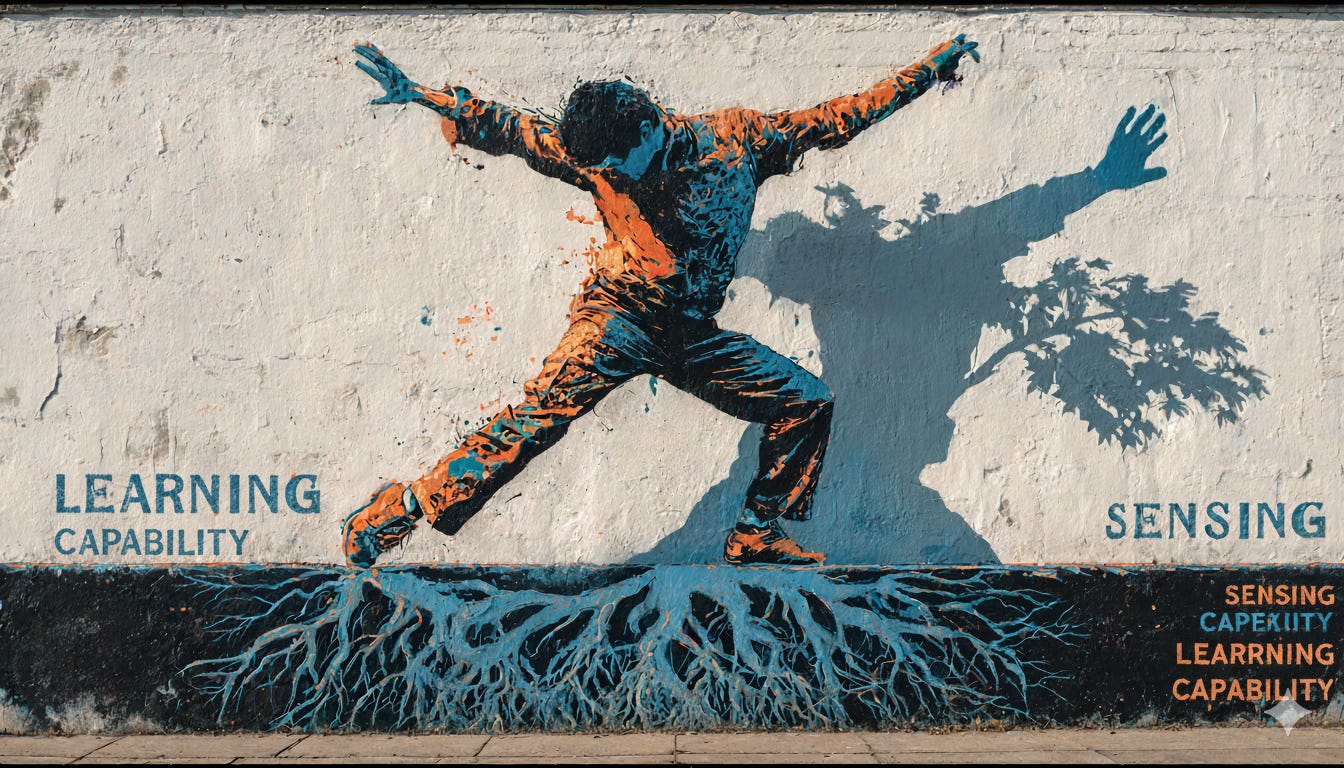
The Architecture of Adaptive Planning
The diagnostic frameworks from Part 1 do more than assess—they provide blueprints for building the right capabilities for each context. Different contexts require fundamentally different capabilities:
Complex challenges demand learning capabilities: build sensing systems to detect emerging patterns, run safe-to-fail experiments to test hypotheses, and create rapid feedback loops to capture insights and accelerate adaptation.
Complicated challenges require expertise capabilities: apply analytical protocols to discover solutions systematically, use structured decision frameworks to deploy proven methods, and leverage consultation networks to connect problems with the expertise needed to solve them.
Simple challenges need efficiency capabilities: standardize procedures to ensure consistency, optimize processes to eliminate waste, and establish execution frameworks for reliable delivery when best practices are known.
What distinguishes organizations that execute this well from those that merely understand the concepts? The best organizations recognize that diagnostic thinking is a learned capability that requires deliberate practice. Teams need repeated experience with the frameworks before they develop the judgment to recognize patterns and avoid common mistakes. They practice until they can distinguish genuine agreement from superficial consensus, real certainty from false precision, and actual complexity from organizational dysfunction masquerading as technical challenge.
Many organizations fall into a revealing paradox: they demand adaptive performance without investing in the capabilities that make adaptation possible. They expect agility without building diagnostic judgment, innovation without developing pattern recognition. Then they wonder why their teams default to comfortable methodologies regardless of context.

Planning for Complex Challenges
Consider how a large employer organization learned to prepare for labor disputes. Previously, they treated each strike as a unique crisis requiring custom response. This reactive approach meant starting from zero each time. They’re now developing preparedness capabilities—not predicting exactly when or how disputes will occur, but investing in sensing systems to detect early signals, safe-to-fail protocols for testing response approaches, and learning systems that capture insights from each event. This shift from “every situation is unique” to “build reusable capabilities” exemplifies diagnostic thinking for complex challenges.
Unlike emergency teams who can dedicate significant time to training between crises, most organizations must integrate capability-building into their ongoing operations. The investment pays for itself when teams can respond effectively rather than starting from zero each time.
Building these capabilities requires deliberate practice in three connected areas:
Sensing Systems: Practice detecting early patterns through monitoring that identifies emerging conditions before they become crises. Organizations develop networks that surface weak signals and enable pattern recognition across different parts of the business.
Safe-to-Fail Experimentation: Practice responses through scenario planning and controlled protocols that build response capacity without catastrophic consequences. Teams learn what works through structured rehearsal, not live-fire disasters.
Rapid Learning Systems: Practice capturing insights through structured reviews, treating every event—large or small—as an opportunity to enhance adaptive capacity. This systematic reflection turns experience into capability.
By making this integrated practice a discipline, teams develop true diagnostic intelligence. They learn to spot when stakeholders claim agreement but harbor fundamental disagreements, develop sensitivity to false certainty, and recognize anti-patterns like calling work “complex” to avoid difficult conversations or defaulting to familiar methodologies regardless of context.

Planning for Complicated Challenges
Complicated contexts require different capabilities. Where complex challenges demand adaptation to unpredictable conditions, complicated challenges benefit from applying expertise and structured analysis.
Organizations facing complicated challenges build expert analysis protocols that work through problems to discoverable solutions. They develop structured decision frameworks that apply proven analytical methods to uncover cause-and-effect relationships. They create consultation networks that connect problems with the expertise required to solve them.
Consider a product team building integration capabilities for a financial services platform. The regulatory requirements are clear, the technical approaches are well-established, and stakeholders agree on what compliance success looks like. This is a complicated challenge—it requires expert knowledge and analysis, but the solutions are discoverable through structured investigation. The team diagnoses high agreement and high certainty, then builds structured analytical capabilities: compliance expertise networks, testing protocols, and quality assurance frameworks. The challenge isn’t managing uncertainty—it’s orchestrating known complexity through expert coordination.
Expert problem-solvers develop their judgment through repeated application—learning to recognize which analytical approaches work for which types of problems, understanding when to trust their instincts versus when to seek additional expertise, and building pattern libraries of solutions that inform but don’t dictate future analysis.

Planning for Simple Challenges
Simple contexts demand yet another capability set focused on efficiency and standardization. When the approach is well-understood and the outcome predictable, success comes through standardized procedures that ensure consistency. Process optimization eliminates waste and maximizes throughput. Execution frameworks deliver reliable results when best practices are known and conditions are stable.
Even in simple domains, judgment matters. Teams need the awareness to recognize when conditions shift—when simple problems reveal hidden complications or when stable contexts become unpredictable.
This capability-building approach transforms how organizations measure planning effectiveness. Rather than evaluating plans by how closely reality matches predictions, they measure their diagnostic accuracy and the appropriateness of their capability investments. They track how well their contextual assessments predict which approaches will succeed, how quickly they recognize when contexts shift, and how effectively their built capabilities enable response to unexpected conditions.
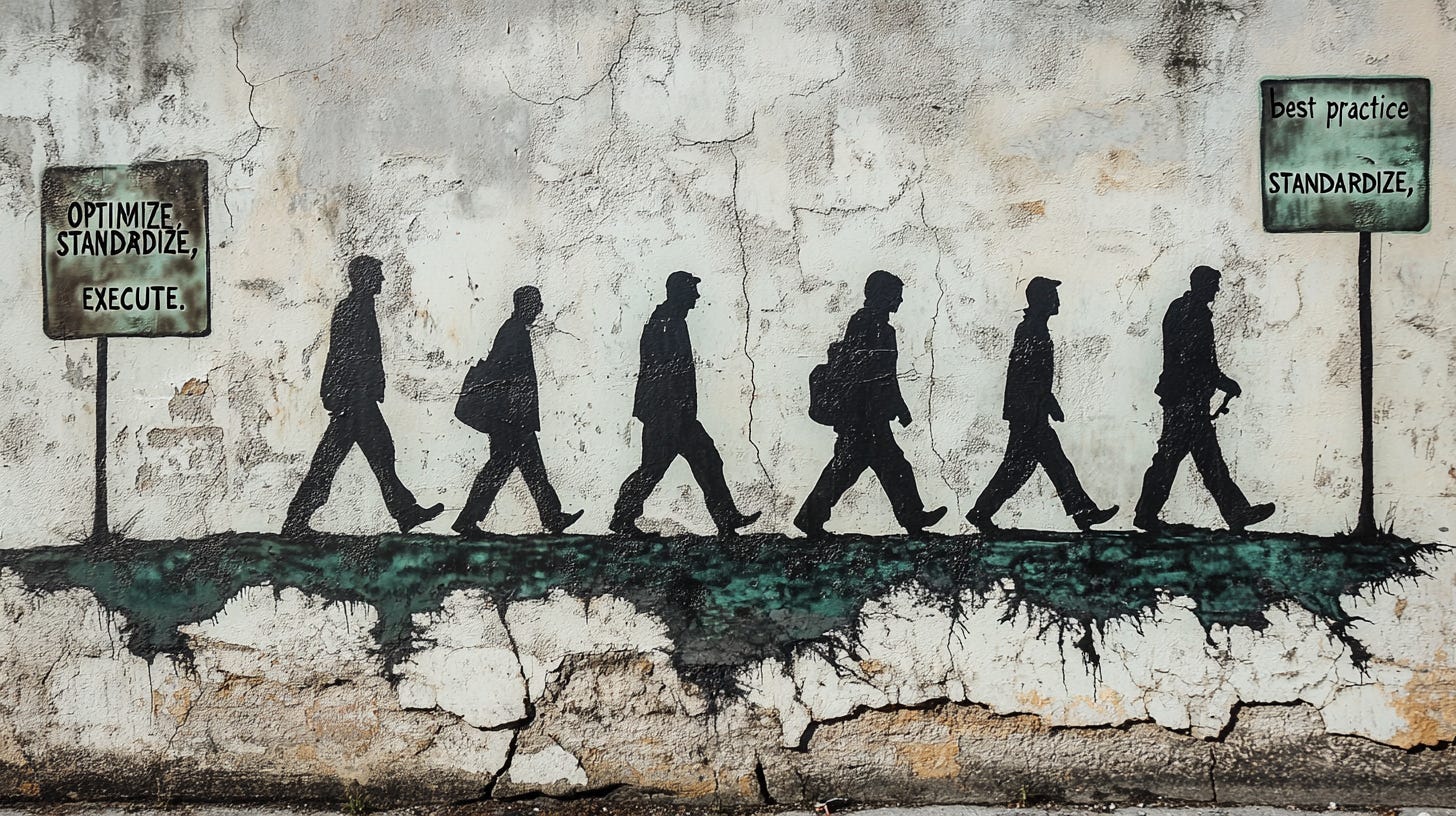
The Strategic Synthesis: Planning as Contextual Preparation
The resolution of the command paradox emerges when we understand planning not as predicting future states but as building contextually appropriate capabilities for engaging with uncertainty. Effective planning starts with diagnosis, then constructs the specific capabilities that diagnosis reveals as necessary.
This diagnostic-driven approach changes everything about how organizations approach strategy and operations. Instead of optimizing execution of predetermined approaches, they optimize their ability to diagnose context and build appropriate capabilities. Instead of minimizing uncertainty through detailed prediction, they build contextually matched resilience and responsiveness that enable them to thrive in their specific operating environment.
Organizations that master this diagnostic synthesis gain a fundamental competitive advantage. While their competitors remain trapped in methodology debates—arguing about whether to plan or to be agile—these organizations quietly develop integrated capabilities that enable both disciplined thinking and adaptive response matched to their specific contextual challenges.
They create what we might call “planned spontaneity”—the ability to respond brilliantly to unexpected conditions precisely because they’ve diagnosed their context and invested in building the capabilities that their specific challenges require. The result is not just superior performance, but profound cognitive relief, as teams are freed from forcing inappropriate processes onto mismatched problems.
But how do organizations know if they’re building the right capabilities? Without measurement, capability-building becomes expensive theater—elaborate structures that may or may not actually serve their contexts. The answer lies in measuring what matters: diagnostic intelligence itself rather than process compliance.

Measuring Diagnostic Intelligence
This capability-building approach transforms what organizations measure and why. Traditional project management tracks variance from plan, adherence to methodology, or delivery velocity—metrics that encourage teams to perfect their execution of predetermined approaches rather than develop their ability to diagnose context and build appropriate capabilities.
Organizations building diagnostic intelligence measure fundamentally different things:
How accurately do teams predict outcomes based on their contextual assessment? When teams diagnose a challenge as complex and invest in sensing systems, do those capabilities prove valuable? When they claim certainty and use structured approaches, does that certainty hold or collapse into chaos? This measurement creates accountability for diagnostic quality rather than process compliance.
How quickly do teams recognize when their initial diagnosis needs updating? A project diagnosed as complicated that reveals hidden complexity should trigger capability adjustment. Measuring how long this recognition takes reveals whether teams are developing the sensitivity to read changing conditions or remaining committed to initial assessments despite contradictory evidence.
Is diagnostic capability strengthening across the organization? Are teams developing shared pattern recognition through learning systems, or does each team repeat the same misdiagnoses others have already made? This measurement distinguishes organizations that build institutional wisdom from those that generate only individual insights.
These measures serve learning rather than control. They help organizations understand whether their diagnostic intelligence is strengthening or whether teams are falling into comfortable patterns regardless of context. The data creates conversations about judgment development rather than compliance enforcement—enabling the reflective learning that improves diagnostic capability over time.
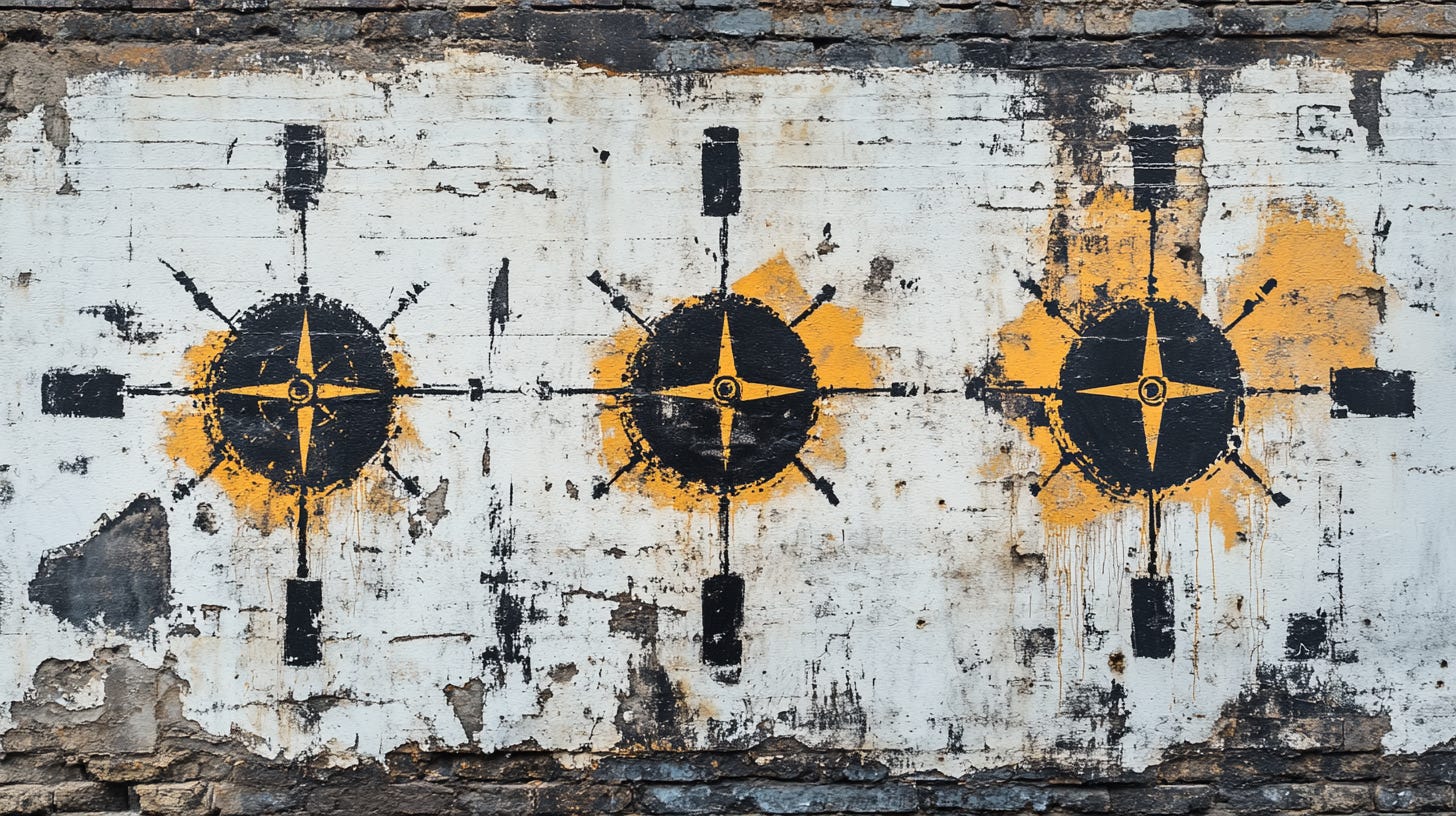
Governing Through Learning
Yet measurement alone doesn’t create learning—governance systems do. Traditional governance approaches undermine diagnostic intelligence by optimizing for compliance, predictability, and control. Organizations need governance designed to accelerate learning and improve judgment rather than enforce adherence to predetermined approaches.
This is where the Tight-Loose-Tight (by Rune Ulvnes, CoWork AS) rhythm proves essential. The pattern creates bounded autonomy that enables both capability development and organizational learning. The first “Tight” phase establishes diagnostic clarity—teams must explicitly articulate their contextual assessment before building capabilities. The “Loose” phase provides capability autonomy—once context is diagnosed, teams have freedom to build appropriate capabilities without methodological mandates. The second “Tight” phase creates reflective learning—the crucial “Stop! Think!” moment.
This reflection phase is where diagnostic measurement transforms into organizational intelligence. Teams don’t just track their metrics—they use those insights to refine their pattern recognition, identify their diagnostic blind spots, and develop shared understanding of what good contextual assessment looks like. The “Stop! Think!” moment is where teams examine whether their diagnosis proved accurate, whether their capabilities served the context, and what patterns they’re learning to recognize or avoid. The governance rhythm ensures that capability-building generates learning rather than just activity.
For deeper exploration of how the “Stop! Think!” learning rhythm enables organizational intelligence and autonomy, see the detailed treatment in The Paradox of Autonomy, The OKR Performance Theater and From Targets to Learning.

The Leadership Imperative: Beyond Methodological Thinking
The command paradox ultimately challenges leaders to move beyond methodological thinking toward diagnostic capability thinking. Instead of asking “Should we be agile or should we plan?” mature leaders ask “What does our contextual diagnosis reveal about the capabilities we need to develop?”
This shift requires intellectual humility and diagnostic sophistication. Effective leadership involves building contextually appropriate organizational capabilities rather than implementing universal frameworks. It requires investment in developing the expertise to assess context accurately, then building the sensing, learning, and adaptation capabilities that specific contexts demand.
The military leaders who inspired both Moltke’s and Eisenhower’s insights weren’t advocating for chaos over order or improvisation over preparation. They understood that the highest forms of responsiveness emerge from the deepest foundations of contextually appropriate preparation—that effective agility requires more sophisticated planning matched to operational reality, not generic planning or no planning.
The ultimate task of leadership is not to choose a methodology, but to forge an organization that can master the diagnostic paradox: one that can accurately assess its contextual challenges and then plan more appropriately than its competitors, precisely so it can respond more effectively.
Modern organizations face uncertainty that rivals any battlefield, but they also face the complexity of multiple, shifting contexts that require diagnostic sophistication. The competitive advantage no longer belongs to the organization with the “best” process. It belongs to those who integrate diagnostic thinking with contextually appropriate planning in service of building genuinely matched adaptive capacity.
Does our planning process create rigid scripts that shatter on contact with reality, or does it build the contextually appropriate adaptive capacity our teams need to respond brilliantly to the specific challenges we actually face?
Having mastered the diagnostic frameworks and understood how to build contextually appropriate capabilities, we face the ultimate challenge: implementation. The frameworks are elegant, the logic is compelling, the competitive advantage is clear. Yet organizations continue to cling to methodological dogma precisely because it serves interests beyond efficiency. The final question becomes: how do we actually transition organizations from methodological allegiance to diagnostic intelligence when the current system serves powerful stakeholders so well?
Continue to Part 3: “Beyond Diagnosis: Leading the Transition to Methodological Intelligence“ (comming).